By Alex T. · Updated 2026-06-30 · 8 min read
 Creating a self-sufficient backyard can seem daunting, yet the benefits—ranging from reduced grocery bills to environmental sustainability—make it a highly rewarding endeavor. The case study of "The Self Sufficient Backyard" outlines practical steps and real-world experiences that illustrate the effectiveness of this lifestyle change. By examining processes and personal stories, we aim to demystify how to start a self-sufficient backyard and explore its worthiness for beginners. Through this article, we’ll navigate the ups and downs experienced during a significant engagement with "The Self Sufficient Backyard" guide. By sharing our journey in phases, we hope to equip you with invaluable insights and practical techniques for achieving similar success in your own backyard.
 Phase 1: First Impressions and Difficulties
Initially, delving into the self-sufficient backyard concept was exhilarating but also somewhat overwhelming. The sheer volume of information presented in "The Self Sufficient Backyard" meant that knowing where to begin was not straightforward. One of the most considerable challenges was time management. As a busy individual, finding the time to learn and implement new gardening techniques to create a self-sufficient backyard was daunting. The guide contains numerous plans and suggestions, which at times felt like a flood of choices that could lead to decision paralysis.Phase 2: Adjustments and What Started Working
Related Reading: Best iptv subscription: Complete Guide for Smart Buyers
After grappling with initial uncertainties, I decided to prioritize a few key aspects of the guide. I focused on implementing vegetable gardening and composting, as these were manageable within my time constraints. The planning resources provided in the book, particularly the self-sufficient backyard plans, helped streamline my efforts significantly. Within a few weeks, the first seeds I had planted began to sprout, which ignited a new passion and motivation. Regularly watering and caring for the plants became a daily ritual, showcasing how rewarding it is to see plants flourish.Phase 3: Consolidated Results and Surprises
As the harvest season approached, I was pleasantly surprised by the amount of produce generated from a small space. This unexpected yield reaffirmed that a self-sufficient backyard truly is attainable. Furthermore, the book provided insights on pest control and companion planting strategies that proved invaluable. A notable surprise was how much I enjoyed the process itself. The peace of tending to my backyard became a form of meditation, reconnecting me with nature in ways I never anticipated.What Worked Well
Related Reading: Why TikTok Free Followers May Not Be Working for You
Several strategies contributed significantly to the success of creating my self-sufficient backyard. Here are the highlights: 1. **Composting**: Implementing a composting system proved to be uncomplicated and significantly improved soil quality. 2. **Raised Beds**: Utilizing raised garden beds allowed for efficient space management and better drainage. 3. **Selecting Hardy Varieties**: Choosing plants that are well-suited to my specific climate resulted in higher yields. 4. **Pest Management**: The book emphasized natural pest control methods, drastically reducing chemical usage.What Did Not Work — Honestly
Not everything went smoothly. Attempting to introduce chickens, despite their benefits for pest control and composting, led to challenges in integration and coop management. Their meticulous requirements for space and care proved more complex than anticipated. Additionally, I underestimated the amount of time weeding and maintenance would require; this was a rude awakening that impacted other areas of my lifestyle because I had to shift my schedule to ensure my plants thrived.Before and After Observations
Related Reading: Free Steam Gift Card: Complete Guide to Getting One Safely
| Aspect | Before | After |
|---|---|---|
| Yield Volume | Minimal | Substantial |
| Gardening Knowledge | Basic | Advanced |
| Time Commitment | Low | Moderate |
Tips to Replicate the Good Results
1. **Start Small**: Launch your self-sufficient backyard journey by starting with a few vegetable plants that require minimal effort. 2. **Educate Yourself**: Utilize resources like "The Self Sufficient Backyard" to gather knowledge before diving in. 3. **Utilize Organic Techniques**: Focus on organic gardening methods to encourage biodiversity within your backyard. 4. **Community Support**: Engage with local gardening clubs or online forums for tips and support.Resource mentioned in this article
The Self Sufficient Backyard
Up-to-date pricing and terms
View the The Self Sufficient Backyard offer →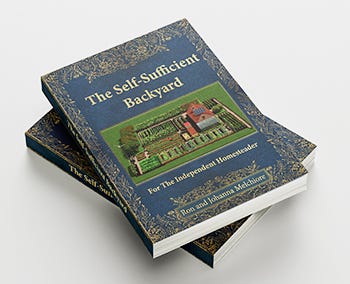
Frequently Asked Questions
This article contains affiliate links. Our editorial analysis remains independent.